What afro house is
Tracks lean on polyrhythmic hand drums, organic instruments such as piano and saxophone, deep house synth pads and vocals in African languages. It grew from South African deep house and kwaito culture and since the 2010s has become a global club format, from Johannesburg to Lagos, Nairobi and European labels such as Keinemusik and Innervisions.[1][2][3][4]
Afro house, also written Afrohouse, Afro-house, Afro-EDM (Accra usage).
Tempo
About 115 to 125 BPM, most often 118 to 122[5][4][1]. Beatportal (2024): 'typically sit between 115 and 125 BPM'. Native Instruments (2026): 'typically ranges between 110 and 125 BPM', with 118 to 122 as a sweet spot. Wikipedia's 80 to 122 rests on weak production-blog sources and should not be used.
On the Pulse map
Lagos sits at 122 BPM (our editorial estimate); Abuja sits at 122 BPM (our editorial estimate); Accra sits at 120 BPM (our editorial estimate); Lomé sits at 120 BPM (our editorial estimate). That is each city's own pulse, not a figure for this sound.
Where it comes from
South Africa, out of the Gauteng (Pretoria and Johannesburg) deep house and kwaito scenes · Wikipedia gives the 1990s, possibly alongside kwaito, and elsewhere the late 1980s; the name and global category came in the 2000s and 2010s[1][2]
DJ Mag calls Pretoria 'unofficially regarded as ground zero for SA deep house culture'. Vinny Da Vinci began DJing around 1986 to 1987 and DJ Christos in 1988; Da Vinci co-founded House Afrika in 1994.
- Vinny Da Vinci and DJ Christos
Pretoria club residencies from the late 1980s; House Afrika and Kalawa Jazmee[2]
- Oskido
created the Star Taxi Music compilations around 1993 to 1994[2]
- Black Coffee
debut album won a SAMA for Best Dance Album (2005); first African DJ to fill Madison Square Garden (2023)[1]
- Culoe De Song
named by Beatport in 2017 as pushing the genre forward[3]
Where the sources disagree
Start date. Wikipedia's own text gives both the 1990s and the late 1980s; DJ Mag dates the Pretoria deep house scene from 1986 to 1989.[1][2]
Tempo. Beatportal says 115 to 125; Native Instruments 110 to 125; Wikipedia 80 to 122 (weak sources).[5][4][1]
What 'Afro house' means in Lagos. Our own Lagos summary notes that much of Lagos's 'house' crowd is Afro house, Afro tech and 3-step inside an Afrobeats-adjacent party economy. AP describes a house sound absorbing African sounds after a South African crossover around 2022, rather than South African Afro house itself.[6]
Who carried it
- House Afrikalabel
- Kalawa Jazmeelabel
co-founded by DJ Christos[2]
- Sondela (Defected)label
launched 2021[1]
- Kunyelabel and events
- Gondwanaevent and label (Nairobi)
founded 2016[1]
- Group Therapy, Element House (Lagos)raves
Lagos's Afro-leaning house raves[6]
- Keinemusik, Innervisionslabels (Germany)
named by Beatport in 2017 among labels carrying the sound[3]
Moments
- 2017-12-04Beatport adds an Afro House genre category, crediting DJs Dixon and Henrik Schwarz and producers Black Coffee and Culoe De Song[3]
- 2020Master KG and Nomcebo's 'Jerusalema' becomes a global hit[1]
- 2022 onwardsAP reports Lagos DJs folding African sounds into house after South African genres crossed over around 2022[6]
- 2023-12Black Coffee plays Madison Square Garden[1]
- 2024-06-27Afro House becomes a Beatport Hype genre[8]
- 2026-03-06AP reports thousands at Group Therapy in Lekki, Lagos, at 21,000 naira a ticket, as a cheaper alternative to table-service clubs[6]
The rooms it was made for
- Minibus taxis
Oskido's Star Taxi Music compilations (around 1993 to 1994) were made for township commutes.[2]
- Township Sunday clubs and Pretoria clubs
Cherry's (township Sunday club, from 1989), Club Gemini, Ellesse, Carnalita; later Tsweu Street Lifestyle Café in Mamelodi and 115 in Maboneng.[2]
- Big outdoor gatherings
The 60s Parties at Monare Farm drew more than 10,000 by around 2000.[2]
- Lagos rave auditoriums
Group Therapy's dark auditorium in Lekki, lit by green strobes, with no tables and one small bar.[6]
Cities on Pulse
Cities whose signature sound or style tags include Afro house. The number is each city's own pulse tempo.
- 113JohannesburgSouth Africa · amapiano · 20 artists
- 122LagosNigeria · Afro house · 11 artists
- 120NairobiKenya · Nu Nairobi house · 18 artists
- 126AbidjanCôte d'Ivoire · coupé-décalé club · 8 artists
- 112PretoriaSouth Africa · amapiano · 6 artists
- 120AccraGhana · Afro house · 9 artists
- 122KilifiKenya · coastal house · 1 artist
- 122AbujaNigeria · Afro house · 3 artists
- 118DakarSenegal · sabar electronics · 5 artists
- 138LuandaAngola · kuduro / batida · 3 artists
- 122KigaliRwanda · Afro house · 3 artists
- 120MaputoMozambique · pandza / Afro house · 3 artists
- 120LoméTogo · Afro house · 0 artists
- 120DoualaCameroon · Afro house · 0 artists
- 120HarareZimbabwe · Afro house · 1 artist
Artists on Pulse
17 artists and collectives tagged Afro house in our data, busiest cities first.
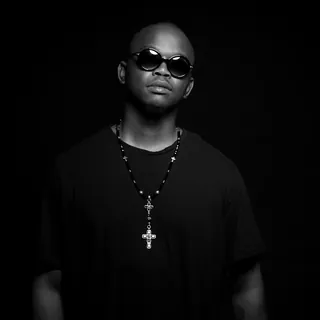
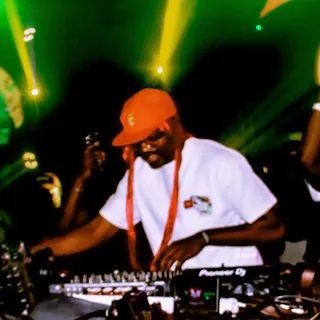
Afro house on Innervisions from a producer who is also a sangoma
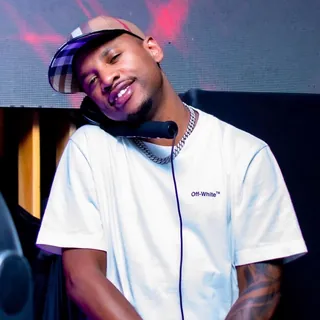
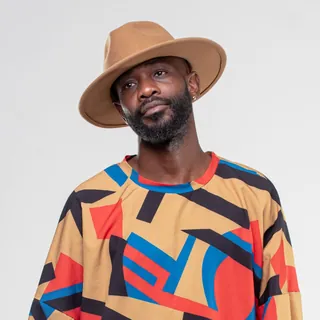
Afro house and Afro-tech, the first DJ Awards Afro House winner
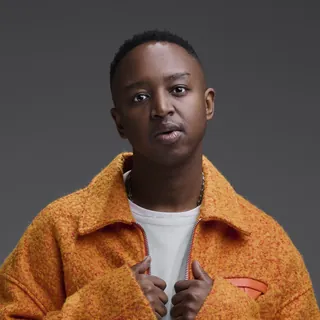
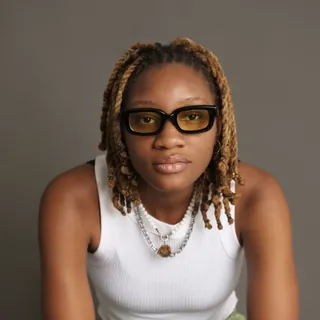
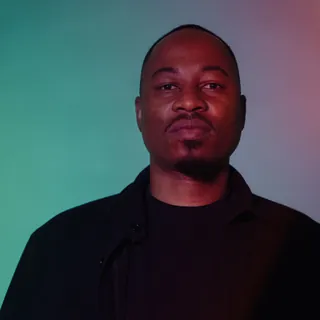
Luanda-raised Afro house with kuduro and semba, from Lisbon
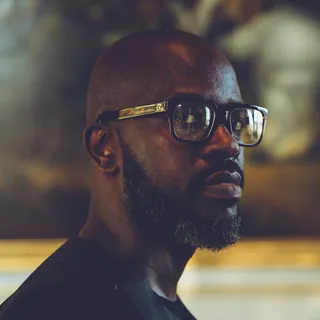
Afro house from Umlazi to his own 4,000-capacity Zone 6
Afro-tech from Black Motion's Bongani Mohosana, fabric afterparties
Afro house fusion from Africa To The World
Kenyan pop reworked as electronic, Afro house on Sound Safari
Afrohouse learnt through SEE DJs, played at the rave
Afro house from Harare, Bae Electronica's founder
Mainland House resident: Afrohouse and Afrotech off the Island
Questions about Afro house
What is Afro house music?
A style of house music from South Africa that combines a house beat with African percussion, melodies and vocals.[1][4]
Where did Afro house originate?
South Africa, growing out of the Pretoria and Johannesburg deep house and kwaito scenes from the late 1980s and 1990s.[1][2]
What is the difference between Afro house and amapiano?
Afro house keeps a steady house kick at about 118 to 122 BPM; amapiano is slower (about 110 to 115), often drops the kick and is built on the log drum bass.[4]
What is the difference between Afro house and Afro tech?
Afro tech is a darker strand of Afro house that adds techno elements. Some pioneers, such as Enoo Napa, say it has always just been Afro house.[7]
Who are the best-known Afro house DJs?
Beatport names Black Coffee, Shimza, Desiree, Culoe De Song, Djeff, Da Capo and &ME among its leading artists (2024).[8]
Sources
Last checked 16 October 2026 · Send a correction or a tip
- 1Afro house (Wikipedia, lead only)Wikipedia · accessed 2026-10-16
- 2Gauteng style: a history of house music in South AfricaDJ Mag · 2023-02-23
- 3Beatport expands platform by adding the Afro House categoryMixmag · 2017-12-04
- 4Afro house production 101Native Instruments blog · 2026-02-12
- 5Step-by-step guide to creating an Afro house trackBeatportal · 2024-10-10
- 6A Lagos rave rewrites the rules of nightlife, drawing young Nigerians priced out of club cultureAssociated Press (via WTOP) · 2026-03-06
- 7AfroTech scene reportMixmag · 2023-12-06
- 8Afro House is now a Beatport Hype genreBeatportal · 2024-06-27
Other sounds on Pulse