What amapiano is
It mixes kwaito, 1990s South African deep house, jazz and soul keys, airy pads and lounge, carried by a booming, pitched percussive bass called the log drum. Some tracks drop the kick drum altogether, which gives the music its unhurried, rolling feel. The name is Zulu for roughly 'the pianos'.[1][2][3][4]
Amapiano, also written piano, iNumba (early name), private school amapiano / private school piano, bacardi-tinged amapiano.
Tempo
About 110 to 115 BPM[5][3][6]. Mixmag (2024): amapiano is 'often around 110 BPM', international DJs push it towards 120, and South African dance culture pushes back with the saying 'the aim is not to sweat'. Music In Africa (2023): 'about 115 BPM'. Rolling Stone describes it as faster than kwaito but slower than gqom.
On the Pulse map
Johannesburg sits at 113 BPM (a published range of 110 to 115); Pretoria sits at 112 BPM (a published range of 110 to 115). That is each city's own pulse, not a figure for this sound.
Where it comes from
Gauteng townships. Pretoria townships (Atteridgeville, Mamelodi, Soshanguve, Mabopane, Garankuwa) and Johannesburg townships (Alexandra, Soweto, Katlehong, the East Rand) all claim a part · Sources put the first experiments around 2012, with the name and wider traction from about 2016; it took over South African radio and clubs by early 2019[2][3][6]
It was reportedly first called iNumba. Katlehong duo MFR Souls are credited by some pioneers with renaming it amapiano when keys became central. The log drum sound comes from the 'Log Drum' preset in FL Studio's Fruity DX10 plug-in; its use is credited to MDU aka TRP, and Kabza De Small has said MDU figured out the log drum.
- MFR Souls (Katlehong)
credited by some pioneers as creators and with naming it[2][3]
- Kabza De Small (Pretoria)
played iNumba early; called a pioneer and one of the first to put vocals over amapiano beats[3][6]
- DJ Clock, Bekzin Terris, JazziDisciples (Alexandra)
played what was then called iNumba[3]
- DJ Stokie
- MDU aka TRP
- DJ Maphorisa
pushed it into the mainstream; formed Scorpion Kings with Kabza De Small in 2019[6]
- Kelvin Momo
credited with private school (soulful) amapiano[4]
Where the sources disagree
Birthplace. Daily Maverick says many cite Pretoria from 2012 while Soweto, Alexandra and the East Rand had their own versions at the same time; Music In Africa notes Pretoria's claim but says its DNA (bacardi) differs from amapiano's kwaito roots; Wikipedia calls the origin disputed.[2][3][4]
Ancestry. Daily Maverick says amapiano stems from bacardi house, itself derived from Shangaan electro; Mixmag and Music In Africa trace it mainly to kwaito and 1990s deep house.[2][5][3]
Tempo. Mixmag says around 110 BPM; Music In Africa says about 115. Use 110 to 115.[5][3]
Start date. Daily Maverick and Music In Africa say 2012; Rolling Stone says it gained traction from 2016. Both can be true: early experiments versus wider traction.[2][3][6]
Who carried it
- Scorpion Kingsduo / brand
Kabza De Small and DJ Maphorisa, from 2019[6]
- YFM (DJ Da Kruk)radio
gave an hour of his show to amapiano, which brought contracts and gigs[3]
- Datafilehost, WhatsApp and Facebookdistribution
artists booked 'just off Datafile host mixes and social media'; CDs, USBs and hard drives passed hand to hand[1][2]
- Beatportstore
added an amapiano genre category in 2022[4]
- South Africa Amapiano Music Awardsawards
created in 2021[4]
Moments
- 2019DJ Moma plays amapiano to about 20,000 at Afropunk Johannesburg on New Year's Eve and takes it to a New York rooftop residency[6]
- 2020Lockdown livestreams spread it worldwide; Kabza De Small's 'I Am the King of Amapiano: Sweet & Dust' becomes the most popular South African project in Apple Music's history; #amapiano passes 100 million TikTok mentions by September[6][3][7]
- 2022Beatport adds the genre[4]
- 2023-10Tyla's 'Water', popularised through a bacardi-house dance challenge, enters the US Billboard Hot 100[4]
- 2024-02-04Tyla wins the first Grammy for Best African Music Performance with 'Water'[8]
- 2020sLocal offshoots appear abroad, including ojapiano in Nigeria and bongopiano in Tanzania[4]
The rooms it was made for
- Streets and township taverns
The music spread through streets, local taverns and WhatsApp communities before commercial radio.[3]
- Bedroom studios through load-shedding
Made on FL Studio, often by school-age producers; scheduled power cuts interrupt production.[1][2]
- Ride-shares, cars and phones
Rolling Stone says it spread through WhatsApp and ride-shares.[6]
- Lockdown livestreams
South African DJs streamed sets to fans at home during Covid-19.[7]
Cities on Pulse
Cities whose signature sound or style tags include Amapiano. The number is each city's own pulse tempo.
- 113JohannesburgSouth Africa · amapiano · 20 artists
- 124Cape TownSouth Africa · house / techno · 10 artists
- 112PretoriaSouth Africa · amapiano · 6 artists
- 122KilifiKenya · coastal house · 1 artist
- 118DakarSenegal · sabar electronics · 5 artists
- 122KigaliRwanda · Afro house · 3 artists
- 120MaputoMozambique · pandza / Afro house · 3 artists
- 118LilongweMalawi · festival · 0 artists
Artists on Pulse
20 artists and collectives tagged Amapiano in our data, busiest cities first.
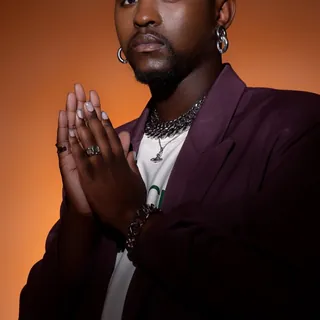
Experimental, underground and dark; Vogue Nights Jozi's founder
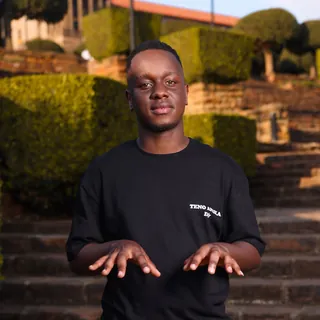
Amapiano on Awesome Tapes From Africa, Where You Are
Bass-heavy sets from Nyege Nyege's core, gqom as the bridge
DJing grown from amapiano, billed beside Moodymann

Durban-born, Pretoria-raised amapiano, Zikode Records founder
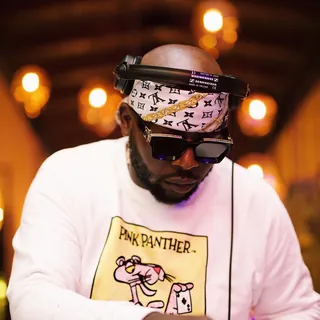
Soshanguve amapiano, gqom and house on Blaqboy Music
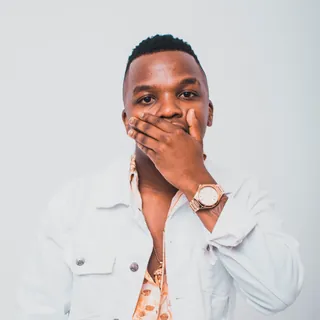
Lamontville gqom blended with amapiano and Afro-tech
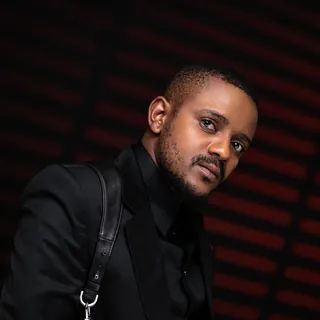
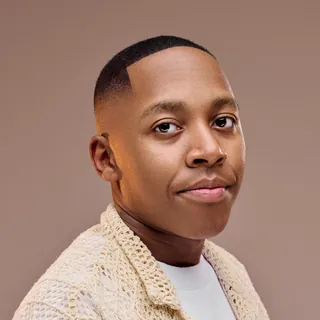
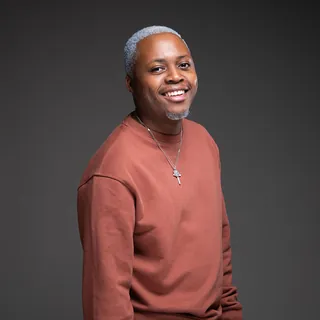
Private school piano: jazz-and-lounge-tinged amapiano from Soweto
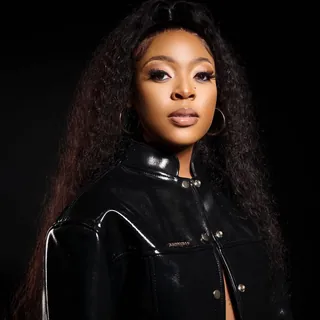
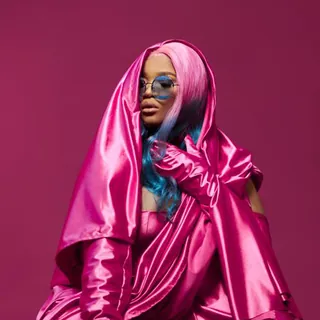
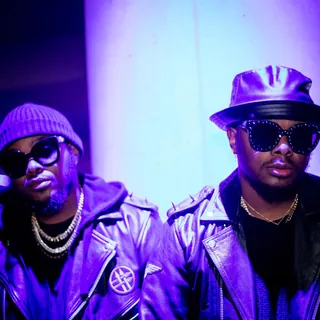
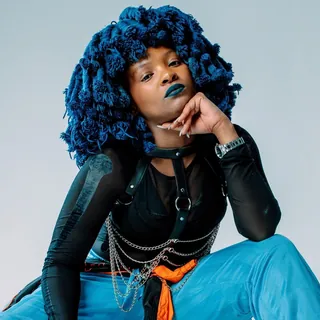
Future ghetto funk: kwaito, electronic and amapiano, Durban to Johannesburg
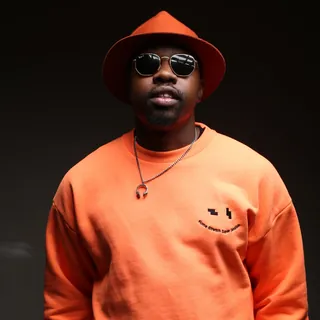
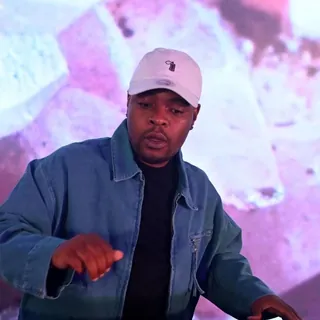


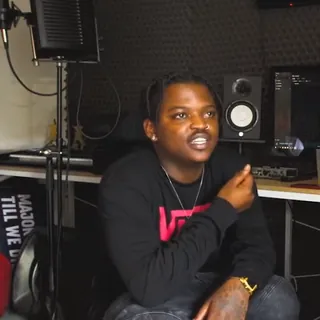
Ga-Rankuwa rap over amapiano, 18 Area Holdings
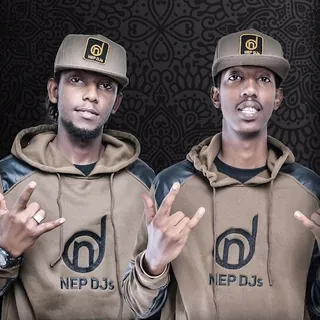
Questions about Amapiano
What does amapiano mean?
It is Zulu for roughly 'the pianos', after the keys that became central to the sound.[3]
Where is amapiano from?
The townships of Gauteng in South Africa. Pretoria and Johannesburg townships both claim it and sources say no one place can authoritatively own it. It is not from Nigeria, though Nigeria has its own offshoot.[2][3][4]
Who started amapiano?
No single founder. MFR Souls, Kabza De Small, DJ Stokie, JazziDisciples and DJ Clock are among those named as pioneers.[2][3][6]
Sources
Last checked 16 October 2026 · Send a correction or a tip
- 1Amapiano's Second Wave: how innovations emerge from Black South African cultureMixmag · 2024-06-18
- 2The magnetic beat of amapianoDaily Maverick · 2020-08-11
- 3Aux sources de l'amapiano: origine, évolution et succès à l'internationalMusic In Africa · 2023-02-23
- 4Amapiano (Wikipedia, lead only)Wikipedia · accessed 2026-10-16
- 5Amapiano's Second Wave: how kwaito opened the door for amapiano's evolutionsMixmag · 2024-05-28
- 6Inside the rise of amapiano, the genre that's taking over South Africa (Hot List)Rolling Stone · undated online (July-August Hot List issue, after 2020)
- 7What's driving the rise of South Africa's amapiano?VOA Africa · undated
- 82024 Grammys: Tyla wins first-ever Grammy for Best African Music PerformanceGrammy.com · 2024-02-04
Other sounds on Pulse