The rooms in Japan
Bar Martha
A listening bar in Ebisu, Tokyo, run by Wataru Fukuyama's Martha Records group. No reservations, no photography, voices kept low, open 19:00 to 03:00 year-round.
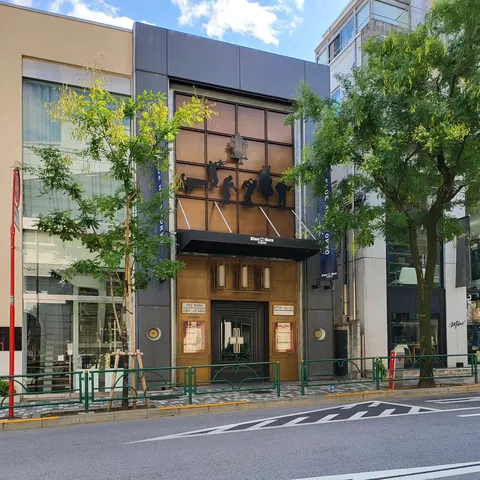
Blue Note Tokyo
The Tokyo branch of New York's Blue Note, open since 26 November 1988 and now at 6-3-16 Minami-Aoyama. About 280 reserved seats, short runs by touring players, no dress code.
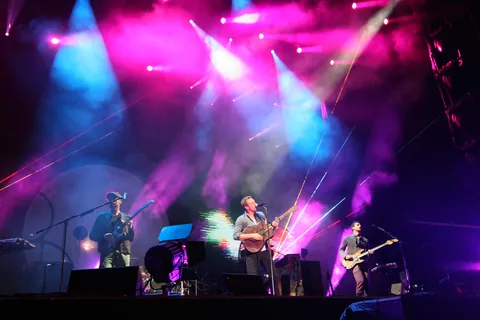
Fuji Rock Festival
Three days at the Naeba ski resort in the Echigo mountains. The Green Stage backs onto a river, forest stages wind through actual woodland. Asia's flagship destination festival since 1997.
Jazz Kissa Basie
Shoji Sugawara's jazz kissa in Ichinoseki, Iwate, open since 1970 and built around speakers he made himself in the 1970s. It opens only some days, so check before you travel.
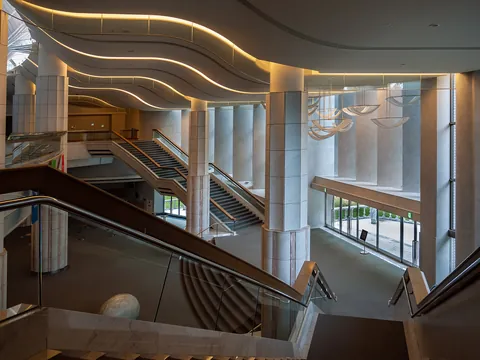
Sapporo Concert Hall Kitara
Vineyard-terrace masterpiece in Nakajima Park, Sapporo. Nagata Acoustics-designed in 1997, with terraced blocks that throw sound across every seat.
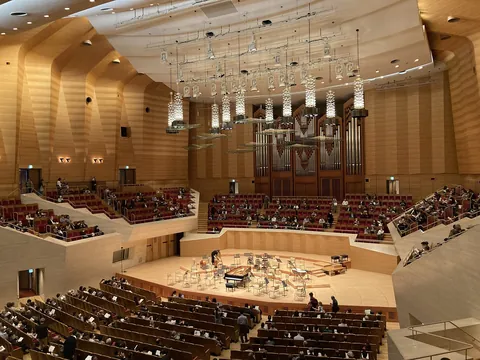
Suntory Hall
Asia's most decorated vineyard-terrace concert hall, opened 1986. Karajan called it 'a jewel box of sound'.
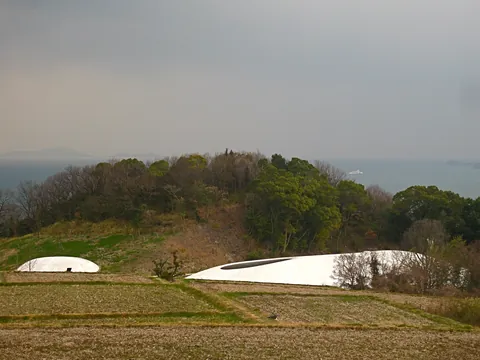
Teshima Art Museum
Ryue Nishizawa's concrete shell on Teshima Island in the Seto Inland Sea. Rei Naito's water installation produces a near-imperceptible drip-and-flow soundscape. The room is the music.
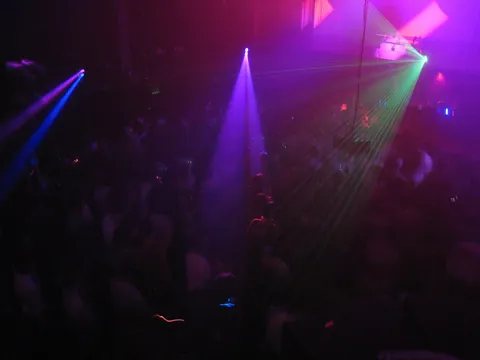
Womb
Four-floor Shibuya club, since 1999. Asia's largest mirror ball on the main floor, a Funktion-One rig, 25 years of being the techno-tourist's first stop in Tokyo.
Planning a trip
Hearing music in Japan
Tokyo covers most moods. Bar Martha bans photographs and asks for quiet voices, takes no reservations and opens from 19:00 to 03:00; search its address, Ebisu 1-22-23, rather than its name. Blue Note Tokyo runs short residencies, often two or three nights, with set times that vary by show and no dress code; book when the run is announced. Womb opens Friday and Saturday nights only, doors 23:00, and its fourth-floor lounge is the better-curated room. Suntory Hall holds free organ concerts at midday on the first Thursday of most months. Outside Tokyo, Sapporo Kitara is a terraced hall of 2,008 seats set in a park, best in October when the maples turn. Teshima Art Museum has no music, only water, wind and silence; go in the early morning.
Timing varies. Fuji Rock runs three days over the last full weekend of July, and July in the mountains is wet. Teshima is open March to October, with reduced weekend hours from November to February. Bar Martha is open year-round apart from about five days at New Year and the summer holiday. Kitara's Sapporo Symphony concerts run year-round, with the Pacific Music Festival in July.
Tokyo's rooms are all on the metro: Ebisu for Bar Martha, Omotesando for Blue Note (about 8 minutes on foot), Shibuya for Womb, Roppongi-itchome for Suntory. For Fuji Rock, take the Shinkansen to Echigo-Yuzawa, then a festival shuttle bus; hotels near Naeba sell out six months ahead. For Teshima, take the ferry from Uno port or Naoshima, and check the timetable the night before.
FAQ
Questions people ask
What are the house rules at Bar Martha in Tokyo?
No photography inside, including of the bar, drinks, records and sound system, and keep your voice down: loud voices interfere with the music. The owner also asks that the bar is not promoted on social media. It is open 19:00 to 03:00 year-round, apart from about five days at New Year and the summer holiday, and takes no reservations.
When is the Fuji Rock Festival and how do you get there?
Fuji Rock runs for three days over the last full weekend of July at Naeba. Take the Shinkansen from Tokyo to Echigo-Yuzawa, then a festival shuttle bus. Camp on site, as nearby hotels sell out about six months ahead.
Can you hear free organ concerts in Tokyo and Sapporo?
Yes. Suntory Hall in Tokyo holds free 50-minute organ promenade concerts on the first Thursday of most months. Sapporo Kitara holds free organ recitals on the first Sunday afternoon of most months, at 12:30.