What kwaito is
Producers took imported house records, slowed them and added local percussion, piano and melodies, with vocals chanted or rapped in Isicamtho township slang rather than sung in English. Writers describe it as house in 'second gear': sluggish, syncopated and celebratory.[1][2][3]
Kwaito, also written Durban kwaito (faster regional form).
Tempo
About 95 to 105 BPM (Johannesburg); Durban kwaito around 125[3][4][2]. Gavin Steingo (via Mixmag) says early kwaito 'hovered around 100 BPM' and Soweto DJs played 45rpm records at 33rpm to get to about 95. The Sunday Times (2024) quotes 95 BPM rising to 100 to 105, and says Durban kwaito 'went straight to 125'. Boiler Room says early cassettes were pitched down two to eight semitones.
Where it comes from
South African townships, with Johannesburg, Soweto and Pretoria clubs named · Late 1980s remixing of house; emerging as kwaito around 1993; mainstream by 1998[1][2]
- Oscar 'Warona' Mdlongwa
says he and others remixed house with local piano, percussion and melodies in the late 1980s; co-founder of Kalawa Jazmee[1][2]
- Arthur Mafokate
called a founding father; his work helped launch kwaito in 1993[1][2]
- Boom Shaka
hits brought kwaito into the mainstream in 1998[2]
- Trompies, Bongo Maffin, Brothers of Peace
listed as kwaito acts[1]
The rooms it was made for
- Taxi ranks
Kwaito was first sold on homemade tapes at taxi ranks; minibus taxis ('Caracara') carried house to and from the townships.[3][2]
- Shebeens
Township drinking spots where house cassettes were played pitched down to suit the crowd.[2]
- Chisa nyama braai spots
Purist house on Sunday afternoons.[2]
- Clubs
Gemini, Cherry's, Carnalita and Ellesse in Pretoria; Caesar's Palace in Braamfontein; Club Razzmatazz in Hillbrow.[2]
Artists on Pulse
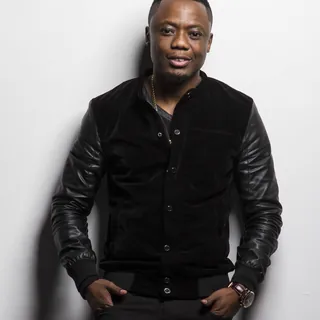
1 artists and collectives tagged Kwaito in our data, busiest cities first.
Questions about Kwaito
What is kwaito?
A slowed-down, vocal South African take on house from the early 1990s townships, sung or chanted in township slang.[1][2]
What does kwaito mean?
It comes from the Afrikaans 'kwaai', glossed as 'angry' turned into slang for 'cool'.[1][2]
Is amapiano kwaito?
Amapiano descends from kwaito and 1990s deep house but is a separate, later style built around the log drum.[3]
Sources
Last checked 16 October 2026 · Send a correction or a tip
- 1History of kwaito musicSouth African History Online · 2011-03-22 (updated 2019-08-27)
- 2Born Free: South Africa, the house nationBoiler Room · about 2015 (undated)
- 3Amapiano's Second Wave: how kwaito opened the door for amapiano's evolutionsMixmag · 2024-05-28
- 4How kwaito and gqom are thriving in DurbanSunday Times (South Africa) · 2024-07-07
Other sounds on Pulse