What mahraganat is
Tracks pair the maqsoum dance rhythm and heavy, booming kick drums with sharp synth riffs and keyboard lines, under heavily Auto-Tuned verses in Egyptian slang. It began with wedding DJs looping and speeding up shaabi songs, and later absorbed hip-hop, grime, trance and dubstep. The word means 'festivals' in Arabic, and its artists ask for it to be called mahraganat rather than electro-shaabi.[1][2][3]
Mahraganat, also written mahragan (singular), electro-shaabi / electro chaabi (mostly foreign usage), Egyptian street music.
Tempo
No sourced tempo. No sourced BPM found None of the sources consulted (Afropop Worldwide 2014 and 2017, GROOVE 2020, VICE 2017, Wikipedia) gives a tempo. 100Copies' Mahmoud Refat says his label 'introduced the slow rhythm to the scene'. Do not publish a BPM until one is sourced. Pulse shows no BPM number for this sound; the city tempos on the map are the cities' own pulse figures.
On the Pulse map
Cairo sits at 128 BPM (our editorial estimate). That is each city's own pulse, not a figure for this sound.
Where it comes from
Cairo: El-Salam City on the north-eastern outskirts and al-Matariya are named as the key neighbourhoods; wedding DJs in Boulaq, Giza and Imbaba were part of its prehistory. Alexandria later developed a more melodic version · Mid to late 2000s: Wikipedia says conceived in 2004 with the mix 'Mahragan El Salam' in 2006; Sadat dates it to 2007; GROOVE says clearly developing by 2008. It was established before the January 2011 revolution[4][1][2]
- Sadat (El Sadat)
- DJ Figo (Ahmed Figo)
- Alaa Fifty, Amr Haha (Amr 7a7a), Filo
- Oka and Ortega
- Islam Chipsy
keyboardist from Imbaba and central figure in the early style; filmed playing weddings by 2011[3]
Where the sources disagree
Who carried it
- 100Copies (Cairo)label
run by Mahmoud Refat; worked with the first mahraganat artists on releases, events and tours[1][2][5]
- Cairo Calling (Rinse FM, British Council, 100Copies)exchange project
2014 collaborations with Kode9, Artwork and Faze Miyake in London[1][5]
- Electro Chaabi (documentary)film
Hind Meddeb, 2013; popularised the 'electro-shaabi' label abroad[4][2]
Moments
- 2011Sadat performs in European cities; foreign journalists and filmmakers document the scene around the revolution[2]
- 2013Hind Meddeb's documentary 'Electro Chaabi'[4]
- 2014Cairo Calling exchange with London grime producers[1]
- 2016Nagham FM bans mahraganat songs[4]
- 2020-02-14 to 2020-02-16Hassan Shakosh performs 'Bint El Geran' (over 100 million YouTube views) to tens of thousands at Cairo Stadium on Valentine's Day; two days later the Musicians' Syndicate under Hany Shaker bans mahraganat singers from clubs, cafés, hotels and concerts[6]
- 2022-04A mahraganat song appears in the Marvel series 'Moon Knight'[4]
The rooms it was made for
- Alleyway weddings
In Imbaba, a band on a worn wooden stage with a keyboardist, a live drummer and a DJ playing mahraganat, the bride on a separate stage and a café next door seating onlookers.[3]
- Makeshift stages between apartment blocks
Early concerts were held in open spaces between buildings, in neighbourhoods with no clubs or youth centres.[1]
- Cafés
Among the few places young people could gather in those neighbourhoods.[1]
- Phones, taxis and tuk-tuks
Tracks were shared as MP3 files on phones and heard in taxis, tuk-tuks and on the street.[4]
- Stadiums
By 2020 a mahraganat singer could fill Cairo Stadium.[6]
Cities on Pulse
Cities whose signature sound or style tags include Mahraganat. The number is each city's own pulse tempo.
Artists on Pulse
6 artists and collectives tagged Mahraganat in our data, busiest cities first.
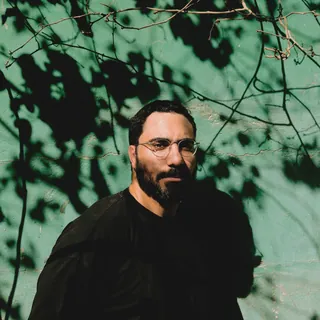
Distorted mahraganat meets hard drum, footwork and techno
Lo-fi shaabi and bass built from his grandfather's tapes

Funk, disco and shaabi breaks on vinyl, Egypt to Berlin
Electro shaabi and maqam sound design, rooted between Gaza and Cairo
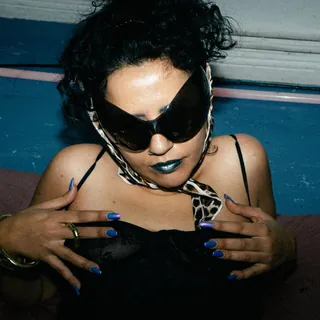
Club sounds mixed with mahraganat, Nos Habet Caramel onwards
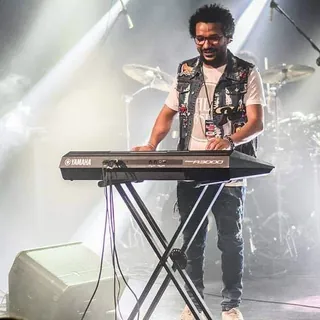
Cairo wedding keyboard, virtuoso electro-shaabi since 2013
Questions about Mahraganat
Is mahraganat the same as electro-shaabi?
Largely, yes: 'electro-shaabi' is the name foreign audiences learned from a 2013 documentary. The artists themselves, including Sadat, ask for it to be called mahraganat.[1][2]
Where does mahraganat come from?
The working-class districts of Cairo, especially El-Salam City and al-Matariya, from the mid to late 2000s.[1][2]
Sources
Last checked 16 October 2026 · Send a correction or a tip
- 1Mahraganat: musical revolution in EgyptAfropop Worldwide · 2014-06-12
- 2Egypt's mahraganat music: lost in translation between inconvenience and commodificationGROOVE · 2020-12-07
- 3Saturday night wedding party in CairoAfropop Worldwide · 2017-09-07
- 4Mahraganat (Wikipedia, lead only; cites PRI 2014, NYT 2013, MEI 2013, Egypt Independent 2013, Egyptian Streets 2020)Wikipedia · accessed 2026-10-16
- 5Explosive mahraganat (interview with Mahmoud Refat of 100Copies)VICE · 2017-03-29
- 6Egypt pulls plug on popular street musicAFP via Arab News · 2020-02-17
Other sounds on Pulse